
Understanding Your Treatment
-
What to Expect During Your Pregnancy Massage
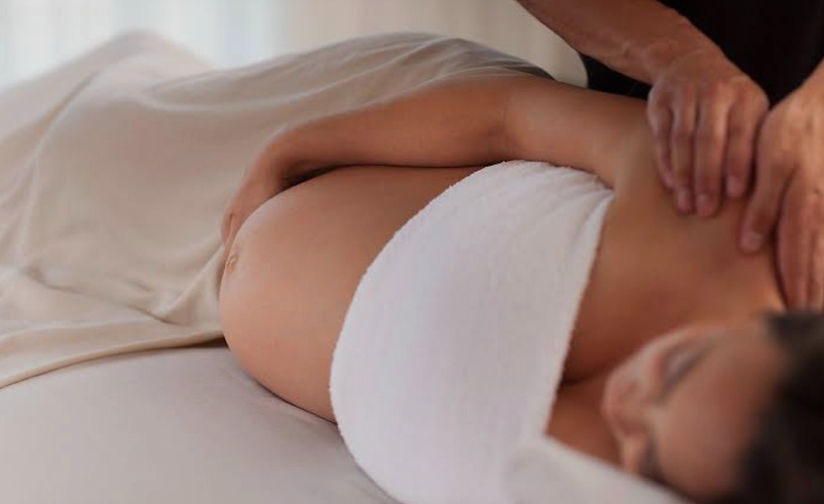
A gentle wellbeing check‑in — we’ll talk about your trimester, how your body feels today, and any areas of pain such as lower‑back tension, hip discomfort or swollen legs. A personalised treatment plan — your massage is tailored to your pregnancy stage, comfort level and specific symptoms. A calm, soothing environment — soft lighting, warm towels and a peaceful atmosphere help your nervous system settle before the massage even begins. Side‑lying support with soft pillows — your bump, hips, knees and lower back are cushioned to keep you fully supported.
-
Who This Treatment Is For
Lower‑back, hip or pelvic pain — common as your posture changes and your bump grows. Sciatic discomfort or nerve tension — especially in later pregnancy. Swelling in legs, feet or hands — caused by fluid retention and circulation changes. Shoulder and neck tightness — often from poor sleep or hormonal fatigue. General pregnancy aches and tension — helping your body feel lighter and more supported. Stress, overwhelm or difficulty relaxing — promoting emotional calm and better sleep. A desire for safe, nurturing self‑care — a moment to rest, breathe and reconnect.
-
What We Use in Treatment
Gentle, flowing prenatal massage techniques — slow, soothing strokes with light–medium pressure to safely relieve back, hip, shoulder and leg tension without overstimulating sensitive areas. Specialist side‑lying support pillows — soft, cushioned bolsters that keep your bump, hips, knees and spine aligned, reducing strain and ensuring full comfort throughout the treatment. Pregnancy‑approved oils — gentle, unscented or lightly scented oils that are safe for hormonal changes and sensitive skin, helping your muscles relax without irritation. Lymphatic drainage movements — light, rhythmic strokes that support circulation and help reduce swelling in your feet, ankles and hands. Warm blankets and breathable linens — keeping you cosy, relaxed and supported while preventing overheating, which is especially important during pregnancy. Trimester‑safe positioning and pressure — avoiding contraindicated pressure points, adapting techniques to your stage of pregnancy and checking in regularly to ensure you feel safe, comfortable and fully supported.
-
Benefits
Relieves lower‑back, hip and pelvic pain — easing the pressure caused by your growing bump, shifting posture and increased weight distribution. Reduces swelling in legs, feet and hands — gentle lymphatic movements help improve circulation and reduce fluid retention. Improves sleep and relaxation — calming your nervous system, lowering stress hormones and helping you drift into deeper, more restorative rest. Supports better circulation — encouraging healthy blood flow to reduce heaviness, fatigue and discomfort in your limbs. Eases shoulder, neck and upper‑body tension — perfect for mums experiencing stress, hormonal fatigue or poor sleep. Promotes emotional wellbeing and calm — helping you feel grounded, supported and more connected to your pregnancy journey. Improved circulation — boosting blood flow for healthier muscles and tissues. Reduced muscle tension — easing tightness throughout the body. Better sleep — promoting deeper, more restful rest. Enhanced mood — releasing feel‑good hormones that lift your emotional state. Gentle pain relief — soothing discomfort without deep pressure. A full‑body reset — leaving you refreshed, balanced and restored.
-
Contraindiction
First‑trimester pregnancy (0–12 weeks) — many therapists avoid massage during the first trimester due to higher miscarriage risk and hormonal instability; treatment is usually recommended only from the second trimester onward. Pre‑eclampsia, high blood pressure or sudden severe swelling — these conditions can make massage unsafe without medical approval and require urgent assessment if symptoms appear suddenly. Deep vein thrombosis (DVT) or blood‑clotting disorders — massage may dislodge a clot and is strictly contraindicated until cleared by a medical professional. Unexplained vaginal bleeding, severe abdominal pain or reduced baby movements — these symptoms require immediate medical attention and massage should be avoided until fully assessed. Placenta previa after 28 weeks, uncontrolled gestational diabetes or high‑risk pregnancy — massage may still be possible, but only with written medical clearance and adapted techniques. Fever, infection, flu‑like symptoms or recent surgery — massage should be postponed until you are fully recovered to avoid worsening symptoms or interfering with healing.