Understanding Your Treatment
-
What to Expect During Your Dry-needling Session
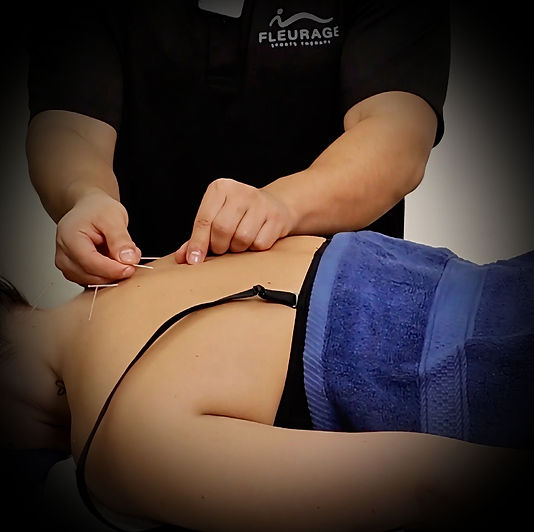
Clinical conversation — a focused discussion about your symptoms, training load, lifestyle and the areas of tension or pain you want to address. Targeted assessment — checking posture, movement, muscle tone and trigger points to identify which tissues are contributing to your discomfort. Precise needle placement — fine, sterile, single‑use needles are inserted into tight or overactive muscles to release trigger points and reduce tension. Muscle response — you may feel a brief twitch or deep ache as the muscle resets, followed by a sense of release or improved movement. Movement retesting — after needling, we reassess mobility and function to confirm the muscle has relaxed and movement has improved. Rehab integration — simple exercises may be added to reinforce the release and help the muscle return to healthy function. Clear aftercare — guidance on what to expect post‑session, how to manage any soreness and how to maintain the improvements
-
Who This Treatment Is For
People with stubborn muscle knots — perfect for deep, persistent tight spots that don’t respond to stretching or massage. Anyone experiencing muscular pain — effective for back, neck and shoulder pain, headaches, hip tightness and other movement‑related discomfort. Active individuals and gym‑goers — great for improving muscle function, speeding recovery and reducing overload from training. Desk workers and professionals — ideal for tension caused by long hours sitting, tech posture and repetitive strain. People with restricted mobility — when a joint or muscle feels “locked,” tight or limited in its range. Those recovering from injury — helps reduce protective muscle guarding and restore normal movement patterns. Older adults wanting easier movement — safe and effective for easing stiffness and improving day‑to‑day function. Anyone wanting to move freely again — even if you’re not sporty, dry needling can help your body feel lighter, looser and more capable.
-
What We Use in Treatment
Single‑use sterile needles — ultra‑fine, medical‑grade needles used once per client and safely disposed of immediately after treatment. Trigger point identification — locating hyper‑irritable spots within muscle fibres that contribute to pain, tightness and restricted movement. Neuromuscular stimulation — using needle placement to create a brief muscle twitch or deep release, helping the muscle reset to a healthier resting state. Myofascial release techniques — targeting the connective tissue around muscles to reduce stiffness and improve mobility. Functional movement testing — assessing how your body moves before and after needling to ensure the treatment improves real‑world function. Rehab integration — combining needling with corrective exercises to reinforce the release and support long‑term improvement. Clinical hygiene protocols — strict safety standards, including gloves, sharps disposal and sterile technique throughout the session.
-
Benefits
Rapid pain reduction — needling interrupts pain signals and reduces sensitivity in irritated tissues, helping you feel relief quickly. Deep muscle release — reaches tight fibres and trigger points that hands‑on therapy can’t always access. Improved mobility — releasing tension around joints helps restore smoother, more comfortable movement. Better muscle activation — resetting overactive or inhibited muscles improves strength, stability and coordination. Reduced headaches and neck tension — ideal for tension‑type headaches, tech‑neck and upper‑body tightness. Faster recovery from training — helps clear muscle tightness and restore function after heavy workouts or repetitive strain. Support during injury rehab — reduces protective muscle guarding so you can move more naturally as you heal. Long‑term functional improvement — combining needling with corrective exercises helps maintain results and prevent recurrence.